
1. Introduction to Renewable Energy in IT
As the world becomes increasingly digital, the demand for energy to power IT operations continues to grow exponentially. With this growth comes a responsibility to ensure that our technological advancements do not come at the cost of environmental sustainability. Renewable energy integration in IT operations has emerged as a crucial solution to this challenge, offering a way to power our digital world while minimizing our carbon footprint.
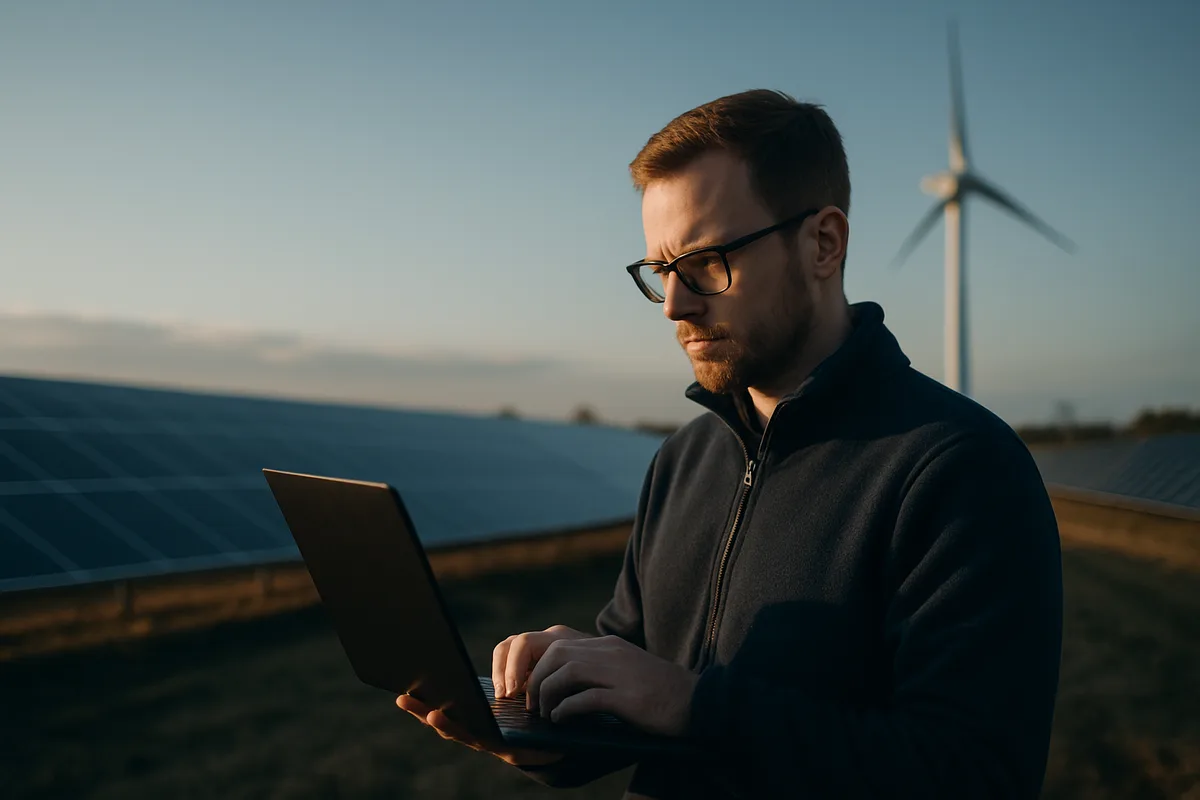
Renewable energy sources, such as solar, wind, and hydroelectric power, provide clean and sustainable alternatives to traditional fossil fuels. By harnessing these natural resources, IT companies can significantly reduce their environmental impact while also potentially lowering energy costs in the long run. The integration of renewable energy into IT operations is not just an environmentally conscious decision; it’s becoming a business imperative as customers, investors, and regulators increasingly prioritize sustainability.
2. The Importance of Sustainable IT Operations
Sustainable IT operations are critical for several reasons. First and foremost, they help combat climate change by reducing greenhouse gas emissions associated with energy consumption. The IT sector is responsible for a significant portion of global energy use, and as our reliance on technology grows, so does this sector’s environmental impact.
Moreover, sustainable IT practices can lead to substantial cost savings for businesses. While the initial investment in renewable energy infrastructure may be high, the long-term benefits often outweigh these costs. Renewable energy sources can provide more stable and predictable energy prices, protecting companies from the volatility of fossil fuel markets.
Sustainability in IT operations also enhances a company’s reputation and can be a powerful marketing tool. Consumers are increasingly making purchasing decisions based on a company’s environmental policies, and businesses that demonstrate a commitment to sustainability often enjoy improved brand loyalty and customer trust.
3. Types of Renewable Energy Sources for IT
Solar Power
Solar energy is one of the most popular renewable sources for IT operations. Photovoltaic (PV) panels can be installed on rooftops or in dedicated solar farms to generate electricity directly from sunlight. Many data centers and office buildings are now equipped with solar panels to offset their energy consumption.
Wind Power
Wind turbines can generate significant amounts of electricity, making them an excellent option for large-scale IT operations. Companies can either invest in their own wind farms or purchase wind energy through power purchase agreements (PPAs) with wind energy providers.
Hydroelectric Power
Hydroelectric power, generated by the flow of water, is another reliable renewable energy source. While it may not be feasible for companies to build their own hydroelectric plants, many can purchase hydroelectric power from existing facilities through their local utilities.
Geothermal Energy
Geothermal energy harnesses heat from the earth to generate electricity. While less common than solar or wind, it can be an excellent option for IT operations in regions with significant geothermal activity.
4. Challenges in Integrating Renewable Energy
Despite its benefits, integrating renewable energy into IT operations comes with several challenges:
Intermittency
Many renewable energy sources, such as solar and wind, are intermittent, meaning they don’t produce energy consistently. This can be problematic for IT operations that require constant, reliable power.
Initial Costs
The upfront costs of implementing renewable energy systems can be significant, which may deter some companies from making the switch.
Infrastructure Limitations
Existing power grids may not be equipped to handle the integration of large-scale renewable energy sources, requiring significant upgrades and investments.
Energy Storage
To address intermittency issues, effective energy storage solutions are crucial. However, current battery technology can be expensive and may have environmental concerns of its own.
5. Strategies for Implementing Renewable Energy in IT
Despite these challenges, there are several strategies that IT companies can employ to integrate renewable energy successfully:
Hybrid Systems
Combining multiple renewable energy sources (e.g., solar and wind) can help mitigate intermittency issues and provide more consistent power.
Power Purchase Agreements (PPAs)
PPAs allow companies to purchase renewable energy from dedicated providers, often at fixed rates, without the need for significant upfront investments in infrastructure.
Energy Efficiency Measures
Implementing energy-efficient technologies and practices can reduce overall energy consumption, making it easier to meet power needs through renewable sources.
On-site Generation
Where feasible, companies can invest in on-site renewable energy generation, such as rooftop solar panels or small-scale wind turbines.
Smart Grid Technologies
Implementing smart grid technologies can help better manage and distribute renewable energy, improving overall efficiency and reliability.
6. Benefits of Renewable Energy Integration
The integration of renewable energy into IT operations offers numerous benefits:
Environmental Impact
Reducing reliance on fossil fuels significantly decreases an organization’s carbon footprint and helps combat climate change.
Cost Savings
While initial investments may be high, renewable energy can lead to long-term cost savings through reduced energy bills and protection against fossil fuel price volatility.
Energy Independence
By generating their own power or securing long-term renewable energy contracts, companies can achieve greater energy independence and security.
Innovation Driver
The push for renewable energy integration often drives innovation in energy efficiency and storage technologies, benefiting the entire IT sector.
Regulatory Compliance
As governments implement stricter environmental regulations, companies with renewable energy integration are better positioned to comply with these requirements.
7. Future Trends in Sustainable IT Operations
The future of sustainable IT operations looks promising, with several emerging trends:
Artificial Intelligence and Machine Learning
AI and ML technologies are being increasingly used to optimize energy consumption and manage renewable energy systems more efficiently.
Edge Computing
The rise of edge computing may lead to more distributed energy systems, potentially making it easier to integrate local renewable energy sources.
Advanced Energy Storage
Improvements in battery technology and other energy storage solutions will help address the intermittency challenges of renewable energy.
Green Data Centers
The concept of green data centers, powered entirely by renewable energy and designed for maximum energy efficiency, is gaining traction.
Blockchain for Energy Management
Blockchain technology is being explored as a way to facilitate peer-to-peer energy trading and improve the management of distributed renewable energy systems.
8. Case Study: A Tech Company’s Journey to Sustainability
Sarah Chen, the newly appointed Chief Sustainability Officer at TechInnovate, a mid-sized software company, faced a daunting challenge. The company’s board had set an ambitious goal: to power 100% of their operations with renewable energy within five years. Sarah knew that achieving this target would require a complete overhaul of their energy strategy and significant investments in new infrastructure.
She began by assembling a diverse team, including IT specialists, energy experts, and financial analysts. Together, they conducted a comprehensive audit of TechInnovate’s energy consumption and explored various renewable energy options. After months of research and planning, they decided on a multi-pronged approach.
The first step was to improve energy efficiency across all operations. Led by the IT department head, Marcus Rodriguez, the company implemented state-of-the-art energy management systems and replaced older equipment with more efficient models. This alone reduced their energy consumption by 20%.
Next, Sarah worked with the facilities manager, Aisha Patel, to install solar panels on the rooftops of their office buildings and data centers. While this provided a significant portion of their energy needs during sunny days, it wasn’t enough to meet their 100% renewable goal.
To bridge the gap, Sarah negotiated a power purchase agreement with a nearby wind farm. This ensured a steady supply of renewable energy, even when solar production was low. However, the intermittent nature of both solar and wind power posed challenges for their 24/7 operations.
To address this, the team invested in an advanced battery storage system, allowing them to store excess energy produced during peak times for use during low-production periods. They also implemented a smart grid system to optimize energy distribution and usage across their facilities.
The journey wasn’t without its hurdles. The initial costs were high, and there were technical challenges in integrating the new systems with their existing infrastructure. However, Sarah and her team remained committed to their goal.
Three years into the project, TechInnovate had already achieved 80% renewable energy usage. The company saw a significant reduction in their energy costs, and their efforts garnered positive attention from clients and investors alike. Employee morale soared as staff took pride in working for a company committed to sustainability.
As they approached the five-year mark, Sarah and her team were confident they would meet their 100% renewable energy goal. Their success story became a case study in the industry, inspiring other companies to embark on their own sustainability journeys.
TechInnovate’s experience demonstrated that with vision, commitment, and innovative thinking, it’s possible to power IT operations sustainably, paving the way for a greener future in the tech industry.